NMFS proposes 465,714-ton Gulf of Alaska groundfish catch for 2027 and 2028
By Business TribunePublished
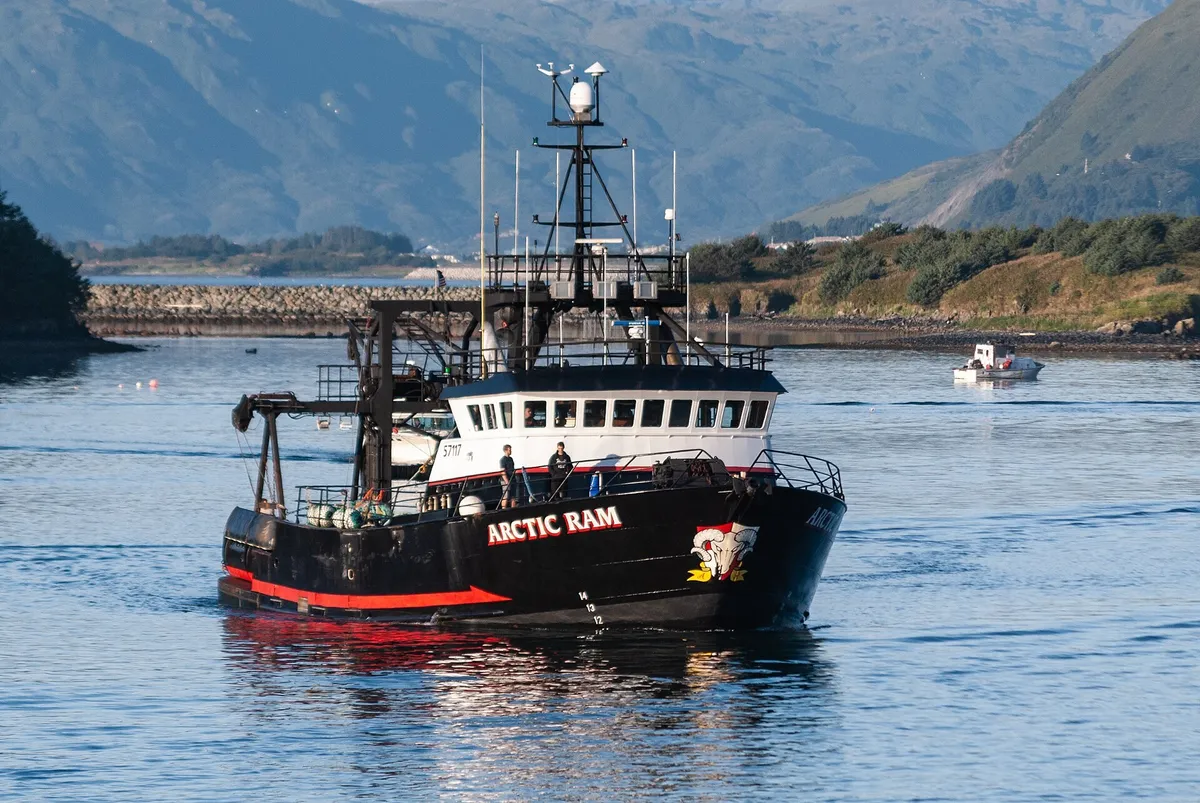
Fishing companies and seafood buyers working the Gulf of Alaska would plan around a combined groundfish catch limit of 465,714 metric tons for both 2027 and 2028, under a proposed rule from the National Marine Fisheries Service, or NMFS.
That's comfortably inside the 116,000 to 800,000 tons the fishery plan sets as its optimum yield range.
Beyond the overall limits, the rule splits the harvest by species and area and caps how much Pacific halibut fleets can take as prohibited species catch.
Pacific cod stays well under its biological ceiling. Its proposed total allowable catch, or TAC, comes to 23,359 metric tons, 8,850 tons short of the acceptable biological catch of 32,209 tons.
To leave room for cod caught in state waters, regulators shaved 2,795 tons off in the Western Gulf, 5,572 in the Central Gulf and 483 in the Eastern Gulf.
Pollock works much the same way. In the area the rule lists as W/C/WYK, a proposed limit of 129,749 metric tons sits 3,326 tons under an acceptable biological catch of 133,075 tons. That gap equals the projected guideline harvest level for Prince William Sound state waters, which hasn't changed from 2026.
Western and Central Gulf pollock would be divided evenly between an A season running Jan. 20 to May 31 and a B season from Sept. 1 to Nov. 1.
In the Western Gulf, flatfish fleets face limits kept low on purpose. Arrowtooth flounder is proposed at 14,500 metric tons, about 43 percent of the recommended 33,716. Shallow-water flatfish would get 13,250 against 23,902, and flathead sole 8,650 against 13,757.
Those caps "are set to conserve the halibut PSC limit for use in other fisheries," NMFS wrote.
Reserves of 20 percent, now held back for sharks, octopuses, flatfish, pollock and Pacific cod, would go back into the catch limits. Recent harvests, the agency said, lead it to expect "that the entire TAC for each of these stocks will be caught."
Gulf sablefish is proposed at 22,550 metric tons, against an Alaska-wide acceptable biological catch of 47,008 tons.
A separate measure, Amendment 128, would let catcher vessels fishing sablefish quota with fixed gear throw back fish under 22 inches. Discards would be allowed starting in 2027, and NMFS would add a discard allowance in 2028.
Directed fishing for Atka mackerel stays shut. A 3,000-ton limit, set under the 4,700-ton biological catch, covers mackerel that other fleets bring up incidentally.
Final numbers could still move. They may go up or down once the 2026 stock assessment report is in, and NMFS has proposed model changes for sablefish, Pacific cod, pollock and rex sole.
Most assessments slated for a 2025 update weren't ready for the Plan Team's November 2025 meeting after what NMFS called "a disruption in the completion of the stock assessments."
Comments are due by Wednesday, Dec. 30. They can be filed through Regulations.gov under docket NOAA-NMFS-2026-3301 or mailed to Gretchen Harrington of the NMFS Alaska Region in Juneau.
For 2027, the new figures would replace those in the final 2026 and 2027 specifications.
In December, the North Pacific council meets to consult on the final figures. Those are expected in March 2027 and would stay in force for one year from publication.