U.S. hazardous waste facilities face 180-day permit renewal deadline in EPA plan
By Business TribunePublished
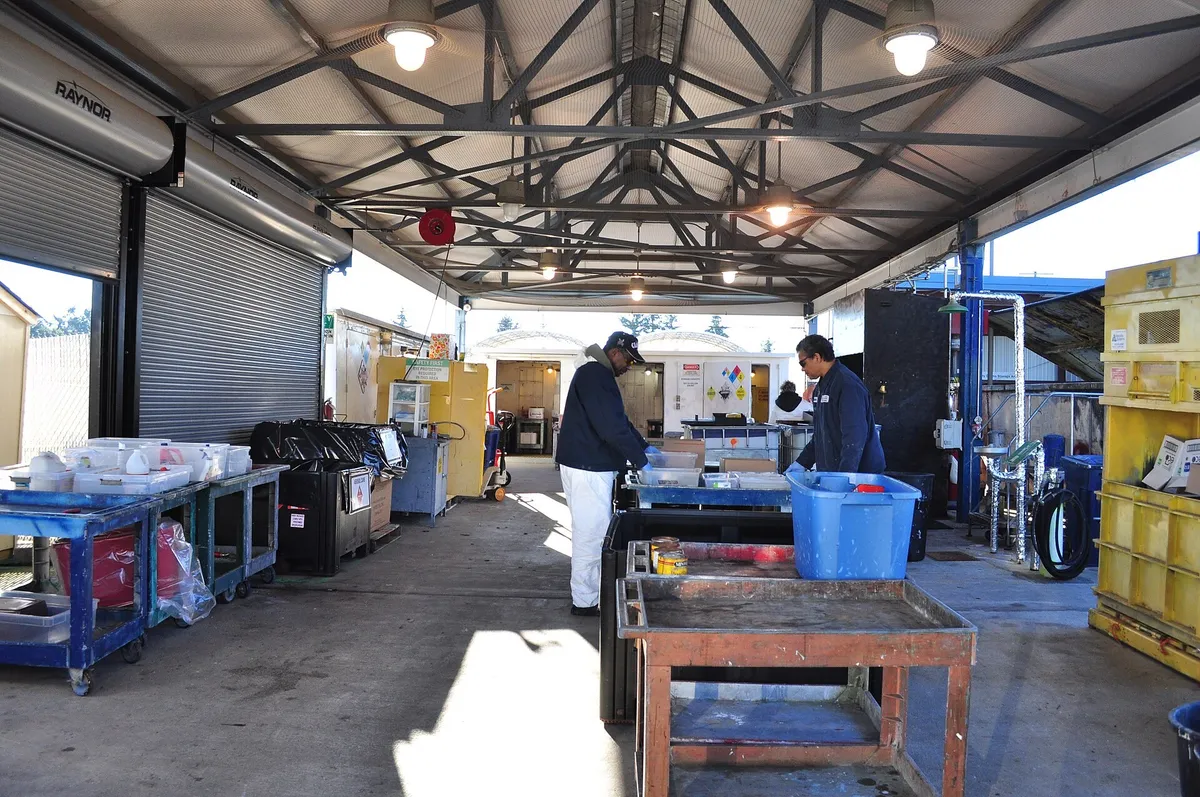
Owners and operators of U.S. hazardous waste treatment, storage and disposal facilities would have to apply to renew their permits at least 180 days before expiry, under a proposal the Environmental Protection Agency published in the Federal Register.
As written, the rules say only that owners "may" ask for a renewal.
Under the proposal, that turns into a firm deadline, though the permitting authority could still let an applicant use a different date.
Those rules "have remained largely unchanged for over three decades, despite evolving standards and practices," the EPA wrote.
More than 400 technical corrections and conforming changes make up the package. Its reach runs from financial assurance and organic air emission standards to permit modification, public notice, drip pads and how long waste can sit at transfer facilities.
Most of the burden lands on facility owners and operators. Some hazardous waste generators would see a handful of changes too, covering land disposal restrictions, contingency planning, incident reporting and manifesting, as would transporters that run transfer facilities.
"Incomplete or insufficient permit applications are a major factor contributing to delays in issuing RCRA permits and renewals," the agency wrote. It expects clearer rules to mean fewer resubmissions.
A permitting director could turn down a permit if an applicant doesn't hand in a complete application.
One provision, 40 CFR 124.3(a)(2), cites only sections 270.10 and 270.13 today in the regulations' text; the EPA would rewrite it to point to every application requirement.
Checking applications eats into regulators' budgets. An ASTSWMO report cited by the EPA found that application review takes 25 percent of what state permitting programs spend, more than the 21 percent that goes to issuing permits.
Regulators could still ask applicants for more information while they draft a permit, the EPA said.
Permits come either from the EPA or from authorized state programs. Owners who fall out of compliance face enforcement, fines included.
By the agency's estimate, permitted facilities and new applicants would save about $0.42 million a year and permitting authorities $0.50 million, or $0.92 million combined each year, in 2025 dollars at a 3 percent discount rate.
The EPA called the proposal a maintenance action that "does not preclude the possibility of future permitting reform." It plans to ask for views on broader changes in a separate Federal Register document.
Comments are due Monday, Dec. 28, under docket EPA-HQ-OLEM-2024-0124. The agency would rather receive them through Regulations.gov.